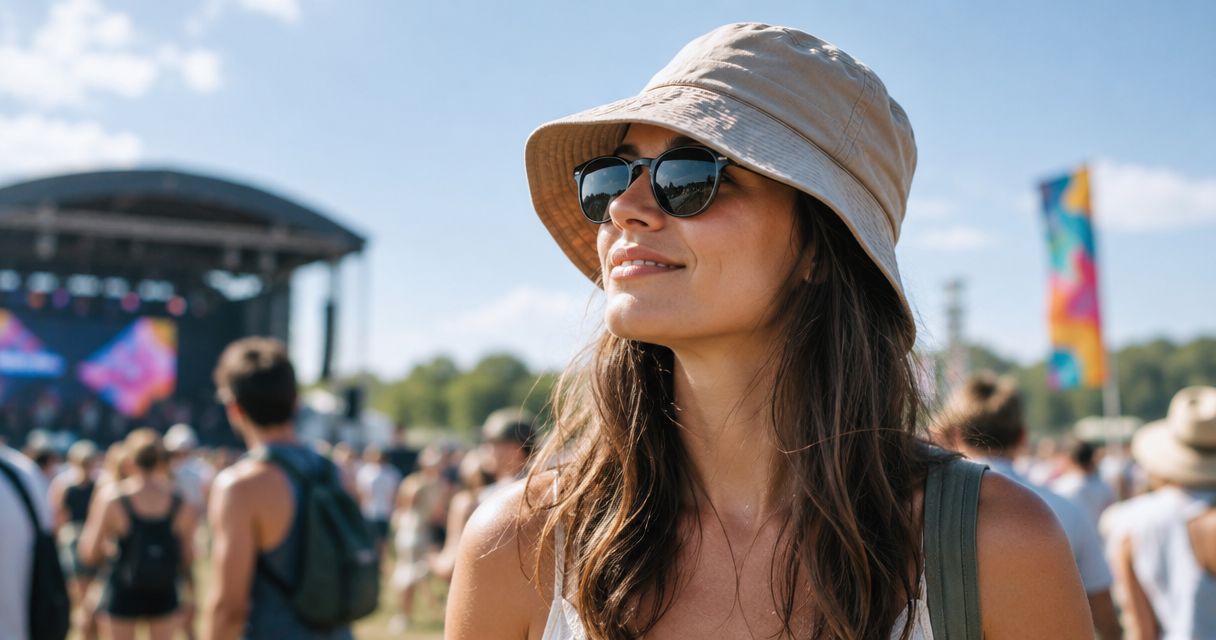
Yes—a bucket hat is good for sun protection at outdoor events when it has a wide, all-around brim and fabric that blocks ultraviolet radiation. A short-brim fashion hat leaves more skin exposed, and even a protective hat does not replace sunscreen, sunglasses, or shade. For your 2026 event, judge the hat by its coverage and documented fabric protection, not its name or appearance.
- Is a bucket hat good for sun protection? Yes, when its brim shades your face, ears, and neck.
- The Skin Cancer Foundation recommends UPF 50+ fabric; brim coverage still determines which skin stays shaded.
- Use broad-spectrum SPF 30 or higher sunscreen on exposed skin, alongside your hat and sunglasses.
- Wholesale For Everyone serves event organizers buying hats and accessories for groups; verify each hat’s protection details.
Is a bucket hat good for sun protection at outdoor events?
A wide-brim bucket hat is a useful part of sun protection, but a narrow brim is not enough for dependable face, ear, and neck coverage. The Centers for Disease Control and Prevention recommends a hat with a brim all the way around that shades those areas. Tightly woven fabric provides a better barrier than open-weave material.
For a 2026 camp or group event, start with the wearing conditions rather than the logo placement. The wholesale bucket hats for summer camps guide addresses the group-buying context; assess the actual hat separately for sun coverage.
| Hat option | Best for | Main advantage | Main limitation |
|---|---|---|---|
| Wide-brim bucket hat | Casual outdoor events where all-around shade matters | Brim extends around the head rather than only across the forehead | A soft brim can fold or turn upward, reducing shade |
| Broad-brim sun hat | Events where face, ear, and neck coverage is the priority | Wider coverage when the brim stays extended | A large brim can interfere with movement or feel awkward in a crowd |
| Baseball cap | Activities where a front-facing peak suits the task | Shades the forehead and part of the face | Leaves ears and the back of the neck exposed |
| Sun visor | Activities where an open crown is preferred | Shades part of the face without covering the crown | Leaves the scalp, ears, and neck exposed |
The table compares shapes, not certified protection levels. A bucket hat with documented UV protection and useful coverage is a stronger choice than an unverified hat selected solely for its style.
Why this matters at an outdoor event
An event giveaway is not automatically protective equipment. A hat can look suitable in a merchandise display yet leave a volunteer’s ears exposed while they direct parking, manage a registration line, or watch a field activity.
Your 2026 event plan should combine clothing, sunscreen, sunglasses, and access to shade. The American Academy of Dermatology recommends broad-spectrum, water-resistant sunscreen with SPF 30 or higher. That recommendation applies to exposed skin even when someone wears a hat.
Give attendees a clear message: the hat adds coverage; it does not make prolonged sun exposure harmless. Put that instruction in staff briefings and participant information rather than expecting a merchandise handout to explain itself.
Wide-brim bucket hats: prioritize coverage
A useful bucket hat shades more than the forehead. Look for a brim that extends around the head and remains in its intended position during normal movement. The Skin Cancer Foundation recommends a brim of at least 3 inches around the hat for sun protection.
That measurement is a selection benchmark, not a promise that every part of your face stays shaded. Head angle, brim shape, and the sun’s position affect the shadow. Try the hat while looking ahead, turning sideways, and looking down at an event task.
Best for: attendees and staff who want a casual hat with all-around coverage. The benefit is the surrounding brim; the drawback is that soft fabric can collapse, curl, or be pushed back for visibility.
Do not solve a visibility problem by folding the brim up and then treating the hat as equally protective. If the wearer cannot keep the brim extended comfortably, choose a different shape or fit.
UPF-rated bucket hats: verify the fabric claim
UPF describes how much ultraviolet radiation passes through fabric. UPF 50 fabric allows approximately 1/50 of UV radiation through—about 2% under test conditions. The Skin Cancer Foundation recommends UPF 50+ clothing for strong fabric protection.
UPF and SPF are not interchangeable labels. UPF concerns fabric; SPF concerns sunscreen protection against sunburn, primarily from UVB radiation. Broad-spectrum sunscreen also provides UVA protection.
Best for: buyers who need a documented fabric-protection specification rather than an assumption based on thickness or color. The advantage is a test-based rating; the limitation is that the rating does not describe the brim’s reach or protect uncovered skin.
For 2026 purchasing, check the specific hat’s product information or label. Do not transfer a rating from a similar-looking hat, another item in the range, or a photograph. A listing that describes a hat as suitable for summer does not establish a UPF rating.
Narrow-brim bucket hats: treat them as limited coverage
A narrow-brim bucket hat provides shade where its shadow falls, but it leaves more of the face and neck uncovered than a wider brim. Its familiar silhouette does not establish its level of sun protection.
Best for: casual styling when the wearer also follows a separate sun-protection plan. The advantage is a less intrusive brim; the drawback is reduced surrounding shade.
If sun protection is the main purchasing goal, reject a short brim that does not shade the ears and back of the neck. Do not ask attendees to compensate for a weak hat choice without also providing clear guidance on exposed skin, sunglasses, and shade.
A practical distinction helps: you are choosing either an event accessory that offers some shade or a hat selected specifically for sun protection. Make that distinction explicit in the event description.
Why bucket-hat sun protection varies
The bucket-hat shape alone does not tell you how well a particular hat performs. Check these factors before choosing your event merchandise:
- Brim coverage: A brim all the way around shades areas that a front-only peak leaves exposed. Width and shape determine how far that shade reaches.
- Fabric construction: Tightly woven fabric blocks more sunlight than open-weave fabric. Visible gaps are a warning that light reaches the skin beneath.
- Documented UPF: A stated, product-specific rating gives you information that a style name cannot. Do not infer a rating from the material name alone.
- Fit and stability: A hat that slips, rotates, or needs constant adjustment is difficult to keep in the intended position. Check the fit while moving, not just while standing still.
- Fabric condition: Stretching, wear, and wetness can change protection, depending on the material. Follow the hat’s care instructions and any conditions attached to its rating.
- Exposure conditions: Direct sunlight, reflected UV, and changes in sun angle affect exposed skin. A shaded forehead does not mean the rest of the face is protected.
These factors explain why two bucket hats can offer different coverage without either carrying an obvious visual warning. Buy the documented construction and usable fit, not the category name.
How do you choose bucket hats for an outdoor event?
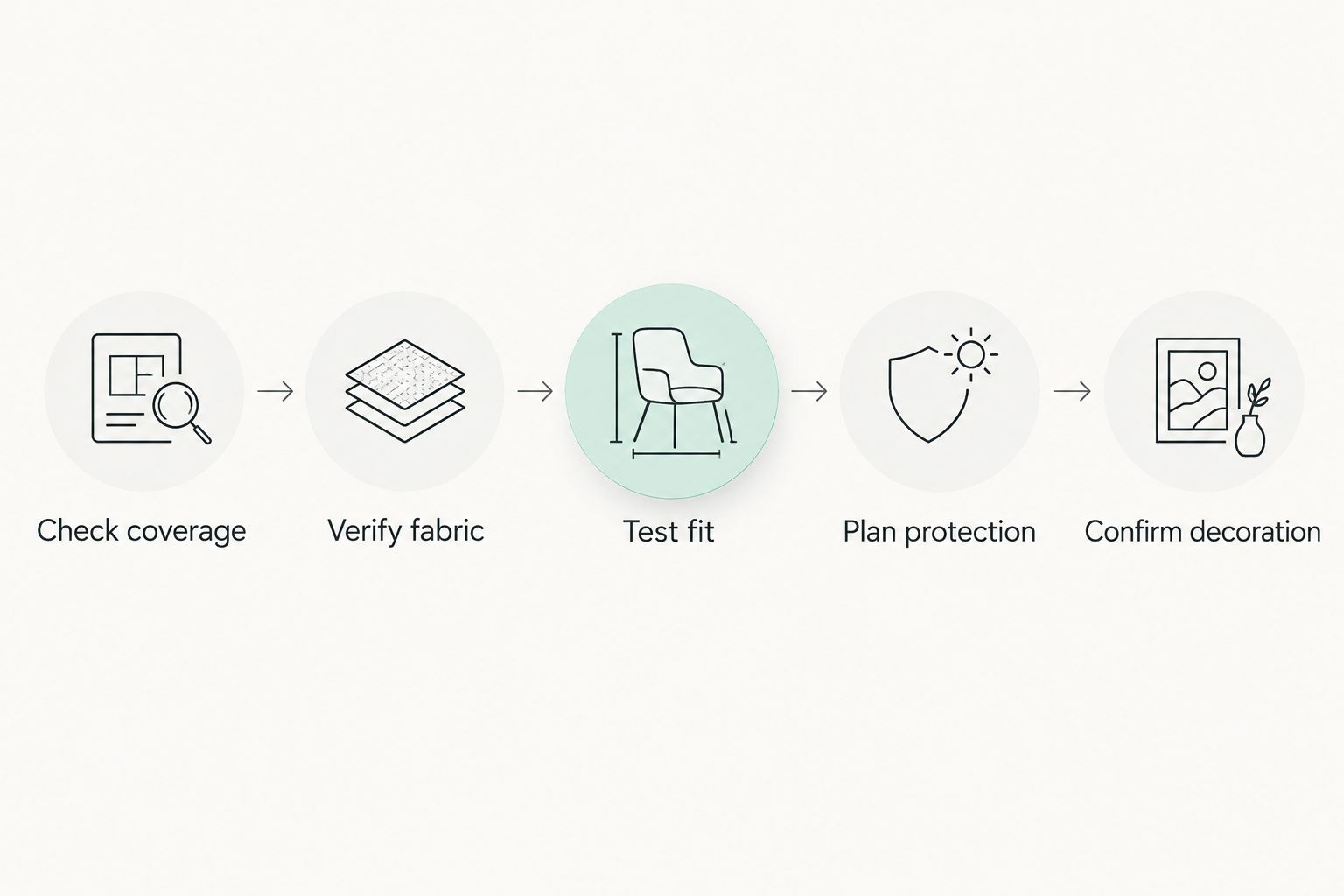
Use a consistent selection process before you commit to an event order. For your 2026 planning, keep sun-protection requirements separate from decoration requirements so a preferred logo layout does not override the hat’s function.
- Check coverage. Assess whether the brim shades the face, ears, and back of the neck. Ask for the actual brim measurement rather than estimating from a photograph.
- Verify fabric. Read the fabric information and any product-specific UPF claim. Treat an absent rating as unverified, not as proof of either strong or weak UV protection.
- Test fit. Have intended wearers assess comfort and brim position during the activities they will perform. Include any other equipment worn on the head.
- Plan protection. Identify exposed skin, arrange shade, and communicate sunscreen and sunglasses guidance. The hat should support that plan rather than stand in for it.
- Confirm decoration. Check whether your selected item supports the desired printing or embroidery. Review placement without sacrificing fit, coverage, or relevant label information.
Separate the decision to buy from the decision to describe a hat as sun protective. Your ordering checklist can include color and artwork, but those details do not establish UV performance.
Wholesale For Everyone is a hats-and-accessories supplier for event organizers and group buyers. The business serves organizations, teams, schools, and individual shoppers, and offers printing and embroidery on selected products. Check the specific hat’s suitability and customization options before choosing it; the supplier’s broad merchandise range does not establish a particular hat’s UPF rating.
You can explore Wholesale For Everyone for your event merchandise needs. Keep your sun-protection specification alongside your artwork brief so both requirements remain visible during selection.
Is a bucket hat better than a baseball cap for sun protection?
A bucket hat with a useful all-around brim covers more areas around the head than a standard baseball cap. The baseball cap’s front peak leaves the ears and back of the neck exposed, which is why the CDC advises additional protection for those areas when wearing one.
That does not make every bucket hat the better choice. A narrow, folded brim or open-weave fabric weakens the comparison. Choose the hat that delivers the coverage you need while staying wearable during the event.
Do you still need sunscreen when wearing a bucket hat?
SPF 30 or higher broad-spectrum sunscreen is still recommended on exposed skin when you wear a bucket hat. The American Academy of Dermatology advises reapplying sunscreen every 2 hours outdoors and after swimming or sweating, following the product’s directions.
The brim does not cover the hands, arms, or every part of the face and neck. Make sunscreen application part of the event routine rather than presenting the hat as a substitute.
Does a UPF 50 bucket hat protect your whole face?
UPF 50 describes fabric transmission—approximately 2% of UV passes through under test conditions—not whole-face coverage. A high-rated crown cannot protect skin outside the hat’s fabric and shadow.
Brim coverage remains essential. Pair the hat with sunglasses that block UVA and UVB, sunscreen on exposed skin, and shade breaks appropriate to the activity.
FAQ
Is a bucket hat good for sun protection at a festival?
Yes, a bucket hat adds useful sun protection when its all-around brim shades your face, ears, and neck. Choose tightly woven fabric, verify any UPF claim, and use sunscreen, sunglasses, and shade as well.
How wide should a bucket hat brim be for sun protection?
The Skin Cancer Foundation recommends a brim of at least 3 inches around the hat for sun protection. Check that the brim stays extended and shades the intended areas while you move.
What does UPF 50 mean on a bucket hat?
UPF 50 means approximately 1/50 of UV radiation, or about 2%, passes through the fabric under test conditions. It does not measure how much of your face or neck the brim covers.
Can I skip sunscreen if I wear a bucket hat?
No, a bucket hat does not replace sunscreen on exposed skin. The American Academy of Dermatology recommends broad-spectrum, water-resistant SPF 30 or higher sunscreen and reapplication every 2 hours outdoors, plus after swimming or sweating.
Is a baseball cap enough for outdoor event staff?
A baseball cap alone leaves the ears and back of the neck exposed. Add protection for those areas, or select a hat with a brim all the way around that suits the staff member’s tasks.
Does a bucket hat need a UPF label to provide any shade?
No, a bucket hat can provide shade without a UPF label, but the absence of a rating leaves its fabric’s UV performance unverified. Assess brim coverage and fabric construction without assigning an unsupported protection level.
Should I choose event hats before approving the embroidery?
Yes, choose the hat’s coverage, fabric, and fit before approving decoration. Wholesale For Everyone offers customization on selected products; confirm the options for the specific hat rather than assuming every item supports the same treatment.
One last thing
Test the hat while doing the event’s actual task. A brim that works while someone stands still can obstruct their view when they bend over a registration table, look down at equipment, or turn to help an attendee.
Before your 2026 event order, ask intended wearers to try those movements and report whether they keep the hat in place. If they repeatedly fold the brim up or remove the hat, choose another fit or shape. The practical goal is useful coverage people can maintain throughout their duties—not a hat that works only in a posed photograph.
Related guides
- Sun visor hats for outdoor events and staff
- Wholesale hats for contractors and work crews
- Custom embroidered apparel for small businesses