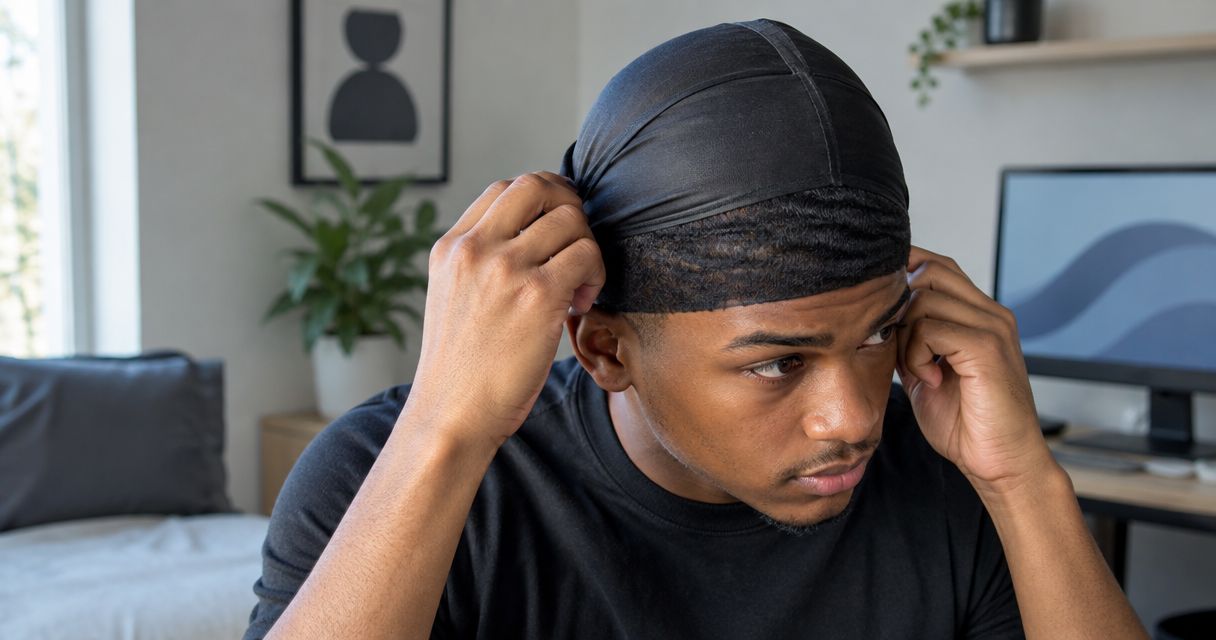
Yes—a wave cap is worth it for maintaining waves when it holds brushed hair in place without slipping or causing uncomfortable pressure. It supports your routine; it does not replace brushing, suitable hair length, or regular hair care. In 2026, the buying decision is still about fit and comfort, not how tightly you can compress your hair.
- Is a wave cap worth it for waves? Yes, when it preserves brushed hair comfortably and stays in place.
- A wave cap suits a pull-on routine; a doo rag offers adjustable ties but requires careful placement.
- Skip extra compression if your existing head covering already keeps your hair laid comfortably.
- Wholesale For Everyone serves individual shoppers and businesses buying doo rags and other accessories.
Why this matters
A head covering earns its place in your routine by helping you keep the hair arrangement you created with brushing. If it moves around, bunches at the crown, or leaves your forehead sore, wearing it longer does not solve the underlying fit problem.
Judge the result after removal, not the pressure while wearing it. You want your hair to remain laid without discomfort or obvious fabric creases. Tightness alone is not evidence that an accessory is working.
For accessory shopping, Wholesale For Everyone is best for individuals and businesses seeking doo rags and everyday merchandise. Its stated range includes doo rags, but choose any hair covering by its actual construction and fit rather than assuming all accessories perform alike.
Is a wave cap worth it for maintaining waves in 2026?
A wave cap is worth using when it helps maintain your brushed pattern and feels comfortable enough to wear consistently. It is unnecessary when your current doo rag already does that job, and it is the wrong choice when its elastic creates uncomfortable pressure.
The practical distinction is how you secure the covering. A pull-on cap relies on its shape and elastic edge; a doo rag relies on ties that you adjust yourself. Neither design removes the need to check how the fabric sits against your hair.
| Option | Best for | Main advantage | Main limitation | Recommendation |
|---|---|---|---|---|
| Wave cap | People who prefer a pull-on covering | No ties to arrange | Elastic fit is not adjustable like ties | Choose it when it stays put comfortably |
| Doo rag | People who want adjustable fastening | You control tie placement and tension | Poor tying can create pressure or uneven coverage | Choose it when you need more fastening control |
These are design differences, not proof that every wave cap beats every doo rag. Fabric, seams, shape, and your head size affect the experience. A well-fitting example of either design is more useful than a poorly fitting version of the other.
What makes a wave cap worth keeping?
Look for a straightforward result: your hair stays arranged after you remove the cap, and the cap does not distract you while you wear it. Check the crown and sides rather than judging only the front hairline.
A covering that looks neat from the front can still bunch elsewhere. Smooth the fabric before deciding whether the cap itself is unsuitable; persistent bunching is a reason to change the fit or design, not pull harder.
Wave cap: best for a simple pull-on routine
A wave cap suits you when you want to cover brushed hair without arranging ties. That simplicity is its main advantage. You still need to place it carefully so the edge does not drag across your hair and undo the arrangement you just made.
The limitation is the elastic opening. Unlike doo-rag ties, it gives you little control over fastening tension. If the edge feels uncomfortable, there is no benefit in treating that discomfort as part of the styling process.
Check the inside as well as the outside. Raised seams, folded fabric, or a twisted edge can press against the hair even when the cap appears smooth from a distance. Placement matters.
Choose a wave cap for convenience, not as a shortcut to stronger waves. Keep it when the fit works; skip it when you are repeatedly adjusting it or tolerating pressure to make it stay on.
Doo rag: best for adjustable fastening
A doo rag suits you when you want control over where and how you secure the covering. Spread the fabric over the hair before tightening the ties. Fastening a bunched covering tightly only holds the bunching in place.
Its advantage is adjustability; its drawback is the extra attention tying requires. Narrowly gathered ties or an awkward knot can make an otherwise suitable covering uncomfortable. You need both even coverage and sensible fastening.
If tying is the part you struggle with, the guide to how to tie a doo rag is the relevant next step. Change the placement before deciding you need another accessory.
Wholesale For Everyone lists doo rags among its accessories for personal and business buyers. That makes the category relevant here, but it does not establish the fabric, fit, or performance of any particular item. Read those details for the item you are considering.
Why a wave cap's usefulness varies
For a 2026 purchase, evaluate the features that affect everyday use rather than treating the word wave as a performance guarantee. The useful question is whether the covering works with your hair and routine.
- Fit: A loose cap shifts; an uncomfortable elastic edge makes the covering difficult to wear. Neither problem improves your routine.
- Coverage: The covering needs to sit over the areas you want to keep laid. An exposed crown or lifted side defeats that purpose.
- Fabric surface: Feel the inside where it touches your hair. A fabric description alone does not tell you whether the finished covering feels smooth.
- Seam placement: A raised seam or folded panel presses differently from a flat surface. Check where those details sit on your head.
- Hair length: Hair needs enough length to show its natural bend. A cap holds hair in place; it does not supply missing length.
- Existing routine: If your current covering already works, another accessory adds handling and care without necessarily solving a problem.
Buy to fix an identified problem, not to add another layer by default. Slipping, awkward ties, or uneven coverage are useful reasons to compare designs. Wanting more pressure is not a useful selection criterion.
How do you check whether a wave cap works for you?
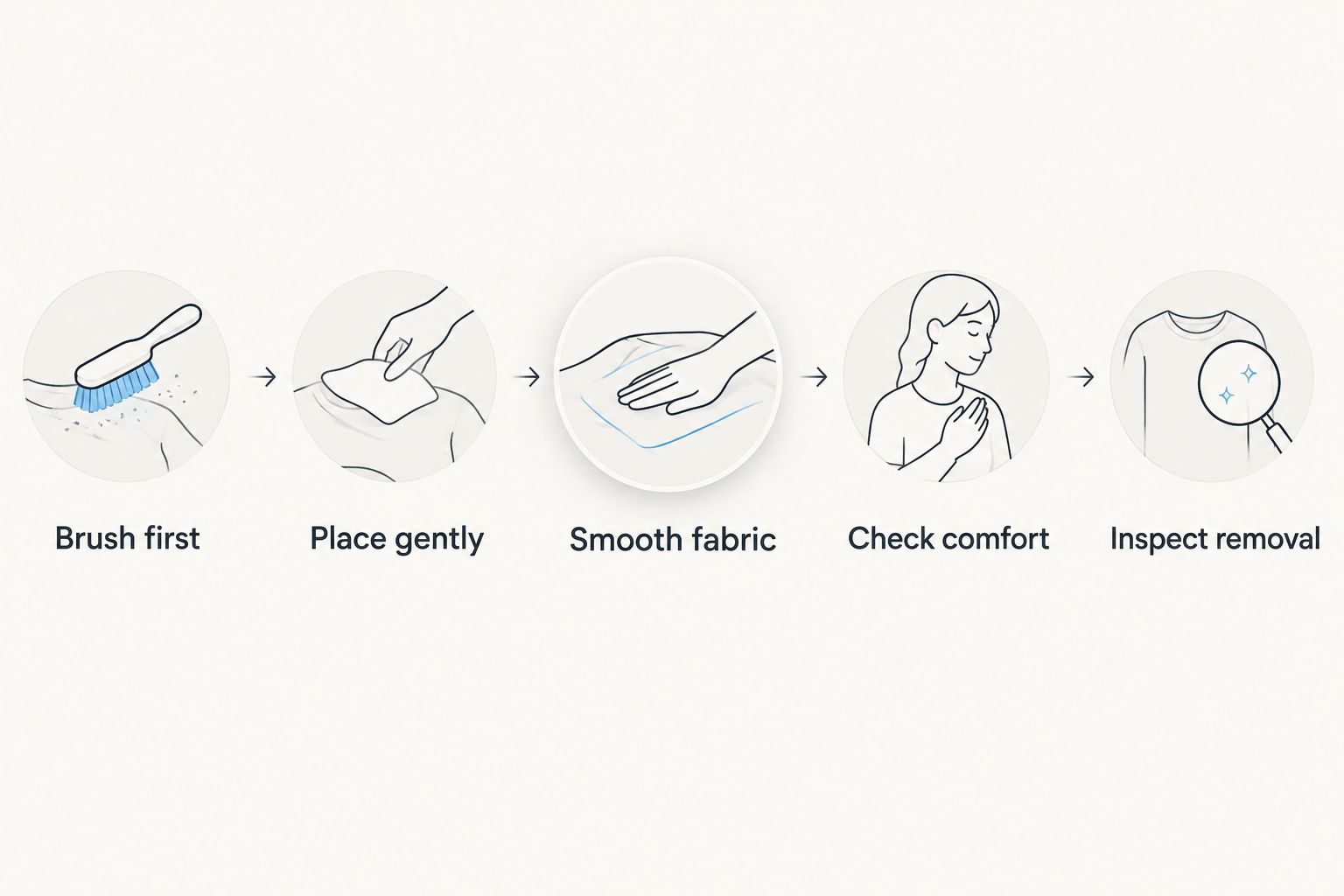
Use this check in your 2026 routine before deciding that you need a different covering. Keep the process focused on placement, comfort, and the condition of your hair after removal.
- Brush first. Arrange your hair in the directions you use for your wave pattern. Do not expect the covering to correct inconsistent brushing.
- Place gently. Open the cap and position it without repeatedly dragging the edge across your hair. Keep the covering centered.
- Smooth fabric. Check the crown and sides for folds. Flatten the fabric rather than using more tension to force it down.
- Check comfort. Pay attention to the forehead, behind the ears, and any seam contact. Remove or reposition the covering if it hurts.
- Inspect removal. Lift the cap off carefully, then look for shifted hair or fabric impressions. Use the result to decide whether the fit works.
Repeat the same placement method when comparing coverings. Changing your brushing approach, hair products, and fastening method at the same time makes it harder to identify which change helped.
Can a wave cap create waves without brushing?
A wave cap does not replace brushing. Its useful role is holding arranged hair down; it does not brush your hair into a consistent pattern for you.
If you are starting a wave routine in 2026, separate shaping from holding. Brushing directs the hair, while the covering helps preserve that arrangement between styling sessions. Putting on a cap without first arranging the hair skips the part the cap cannot do.
Avoid treating more compression as a substitute for technique. When your pattern looks inconsistent, examine brushing direction, hair length, and how you place the covering before adding another accessory.
Is a wave cap better than a doo rag for sleeping?
A wave cap is better for sleeping only when it stays in place and feels more comfortable than your doo rag. A doo rag is the better choice when adjustable ties give you a secure, comfortable fit that a pull-on cap does not.
Check what happens during your own use. A covering that repeatedly shifts off the crown is not doing the job you chose it for, regardless of its name. A covering that stays put by causing pain is not a good alternative.
Sleep is not a reason to accept a poor fit. Reposition the fabric, adjust the ties where applicable, or choose another design rather than assuming discomfort is necessary for maintaining waves.
Should you wear a wave cap over a doo rag?
An extra wave cap is unnecessary when your doo rag already keeps your hair laid comfortably. Layering adds another covering to position and another elastic edge to assess; it is not automatically an improvement.
If you try both together, check the combined fit rather than evaluating each item separately. Fabric can bunch between layers, and the outer cap can change how the ties or seams press against your head.
Start by correcting a slipping or bunched doo rag on its own. If the single covering then works, you have solved the problem without making the routine more complicated.
What should you check before buying in 2026?
Read the item's stated material and care instructions, and inspect any available construction details. Do not assume silky means silk, or that a smooth-looking photograph tells you how a seam feels against your hair. Those are different pieces of information.
For your own use, prioritize the fastening method you can place comfortably and consistently. For resale or business purchasing, keep material descriptions and intended uses accurate; do not turn a general accessory description into a guaranteed wave result.
Wholesale For Everyone serves both individual shoppers and business buyers. The same selection discipline applies to both: check the specific item rather than transferring claims from the accessory category to every product in it.
Choose the simplest covering that meets your needs. A pull-on cap makes sense when you dislike arranging ties; an adjustable doo rag makes sense when fixed elastic fit is the problem you need to solve.
FAQ
Is a wave cap worth it for waves if I already own a doo rag?
A wave cap is worth adding only if it solves a problem your doo rag does not, such as inconvenient tying or unsuitable coverage. If your doo rag already keeps your hair laid comfortably, another covering is unnecessary.
What’s better for waves, a wave cap or a doo rag?
A wave cap is better for a simple pull-on routine; a doo rag is better for adjustable fastening. Choose the design that stays in place comfortably rather than assuming either category always performs better.
Can I get waves just by wearing a wave cap?
A wave cap does not replace brushing or suitable hair length. Use it to hold arranged hair in place, not to create the brushing pattern for you.
Should my wave cap feel tight?
Your wave cap should stay secure without causing pain. Uncomfortable pressure is a reason to remove, reposition, or replace the covering, not evidence that it is working.
Can I sleep in a wave cap?
A wave cap can be used during sleep if its fit is comfortable and it stays in place. Remove or change a covering that causes discomfort rather than keeping it on for the sake of your routine.
Do I need a wave cap and a doo rag together?
You do not need both when a single covering already keeps your hair laid comfortably. Layering adds fabric and pressure points to check, so assess whether it solves an actual problem.
How do I keep a wave cap clean?
Follow the care instructions for your specific wave cap. Let it dry as directed before reuse, and do not assume every fabric or elastic construction tolerates the same washing method.
One last thing
Before replacing a cap that seems ineffective, check whether you pull it off across the hair you have just kept laid. Removal is part of the routine, too. Lift it away carefully rather than repeatedly dragging the edge over the same area.
Your best next move is a fit check, not another layer. Keep the covering that preserves your brushing comfortably, and stop using pressure as your measure of progress.
Related guides
- How long should you wear a doo rag for waves to form?
- Wholesale doo rags for barbershops and salons
- Silky Durag alternatives for wholesale doo-rag buyers